
Electrical Safety in Automation: Best Practices for Control System Design
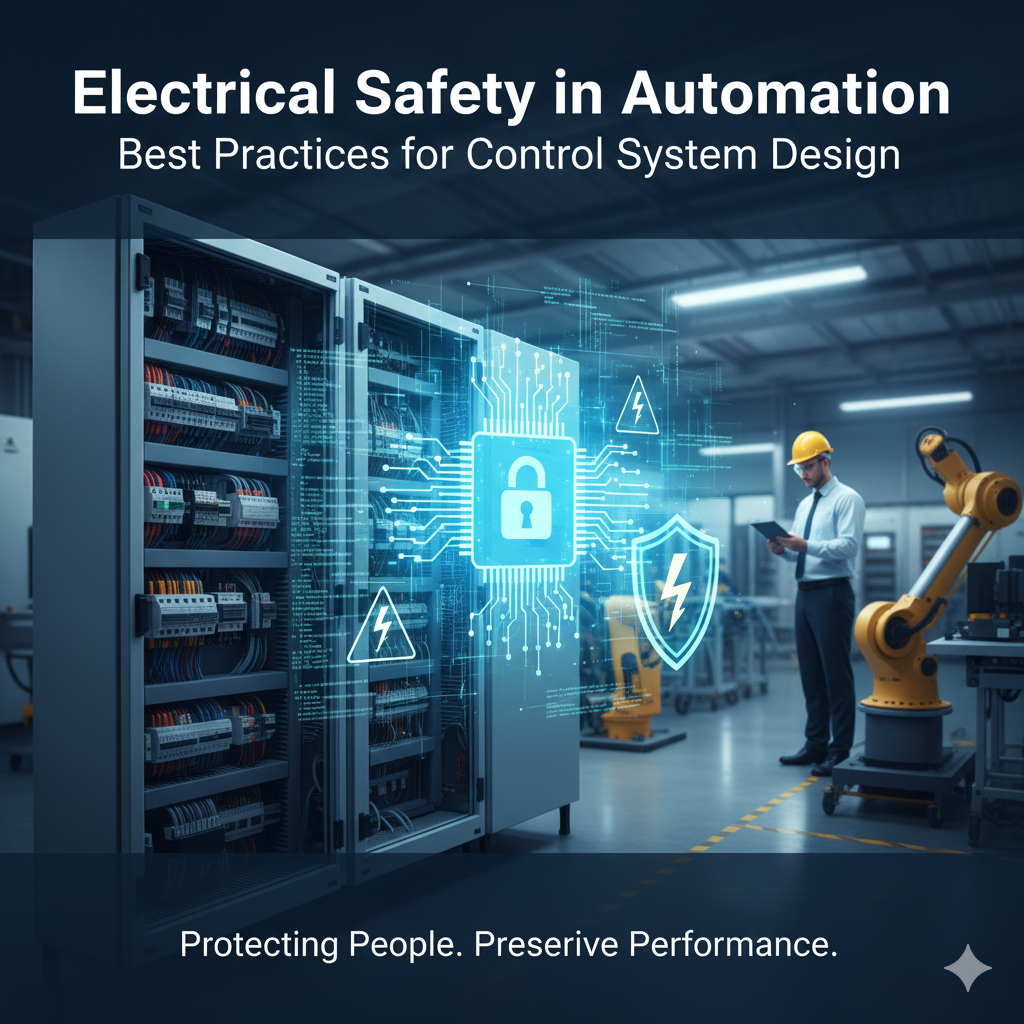
Introduction: Safety is Non-Negotiable
For managers in US manufacturing, the primary goal is production, but the fundamental responsibility is safety. In the world of Industrial Automation, safety often focuses on machine guarding and physical barriers, but the hidden danger lies within the control systems themselves—specifically, electrical safety. A poorly designed control panel or a failure to adhere to recognized standards can lead to catastrophic equipment damage, fire, or, worst of all, serious injury or fatality.
For facilities in Connecticut, maintaining a safe work environment is not just about compliance; it’s about protecting your most valuable assets: your people and your productivity. Pronto System Solutions emphasizes safety as the cornerstone of our control system design. We ensure every automation project adheres to the highest best practices to mitigate electrical risks, making your factory floor safer and legally sound.
Understanding the Hidden Electrical Risks
Most managers aren’t trained electricians, but they must understand the key areas where electrical dangers in Industrial Automation systems originate:
1. Arc Flash Hazards
An arc flash is a sudden, extreme release of heat and light energy caused by an electrical fault. It can vaporize metal and cause severe burns, even from a distance. These events often occur when technicians are working on live electrical equipment in control panels. Proper control system design is critical to minimizing the risk of an arc flash event.
2. Control System Failures
Automation systems rely on reliable power. Unexpected power surges, short circuits, or ground faults can destroy PLCs, HMIs, and drives. While this doesn’t always harm personnel, it causes sudden, unplanned downtime, halting production at your Connecticut facility and wasting valuable resources.
3. Lockout/Tagout (LOTO) Reliability
LOTO procedures are designed to ensure machinery is completely de-energized before maintenance begins. If the electrical schematics are messy or the system is poorly labeled, a technician could mistakenly fail to isolate the correct circuit, leading to serious danger.
Adhering to strict best practices in electrical safety eliminates these preventable risks.
Best Practices in Control System Design for Safety
Implementing high standards for electrical safety starts at the design phase. Here are the core principles Pronto System Solutions applies to every control panel and Industrial Automation System we deploy:
1. Proper Component Selection and Sizing
All components, from wires and circuit breakers to power supplies, must be correctly sized to handle the maximum expected load. Undersized components can overheat, leading to failure or fire. We adhere rigorously to National Electric Code (NEC) standards and relevant UL guidelines.
- Manager Benefit: Correctly rated components ensure the system can handle unexpected surges and faults without causing catastrophic failure or overheating, protecting capital equipment investment across your US manufacturing operation.
2. Clear and Compliant Panel Layout
A well-designed control panel is neat, organized, and clearly labeled. This is not just aesthetic; it’s a critical electrical safety measure.
- Best Practice: Separate high-voltage power wiring from low-voltage control and signal wiring to prevent electrical noise and cross-wiring errors.
- Best Practice: Ensure adequate “working space” in front of the panel doors as mandated by OSHA, allowing technicians safe access.
3. Failsafe Power and Emergency Stop (E-Stop) Circuits
Control system design must incorporate failsafe methods for stopping dangerous motion. E-Stop buttons should utilize dedicated safety relays that immediately cut power to hazardous motion circuits, regardless of the PLC’s state.
- Pronto Solution: We often implement certified safety-rated components and utilize specialized safety PLCs, which are designed to function reliably even when the standard automation system fails.
4. Arc Flash Reduction and Mitigation
While it’s impossible to eliminate all electrical faults, design choices can significantly reduce their severity and impact:
- Best Practice: Use current-limiting fuses and circuit breakers that trip extremely fast, minimizing the duration of a fault.
- Documentation: Creating clear, accurate single-line diagrams allows engineers to calculate potential arc flash energy levels and apply appropriate warning labels to panels in your Connecticut facility, informing workers of the required Personal Protective Equipment (PPE).
5. Standardized Color-Coding and Labeling
Ambiguity kills. All wiring must follow industry-standard color-coding (e.g., green for ground, white/gray for neutral, specific colors for different phases or DC power). Every wire, terminal block, and component must be labeled clearly and permanently.
- Manager Benefit: This reduces the likelihood of human error during troubleshooting, improving both safety and reducing downtime.
Your Partner in Safe Control System Design
Electrical safety is not an option; it is a critical investment. Working with local experts like Pronto System Solutions ensures your Industrial Automation Systems are designed not just to produce, but to protect. We bring deep knowledge of NEC, NFPA 70E (Standard for Electrical Safety in the Workplace), and UL standards to every project across Connecticut and the wider USA.
By prioritizing these best practices in control system design, you invest in a safer environment, minimize legal risk, and ultimately prevent catastrophic, profit-halting failures. Choose a partner that treats safety with the rigor it demands. Let us assess your current electrical systems to ensure full compliance and optimal protection.