
How to Prepare Your Plant for Industry 4.0
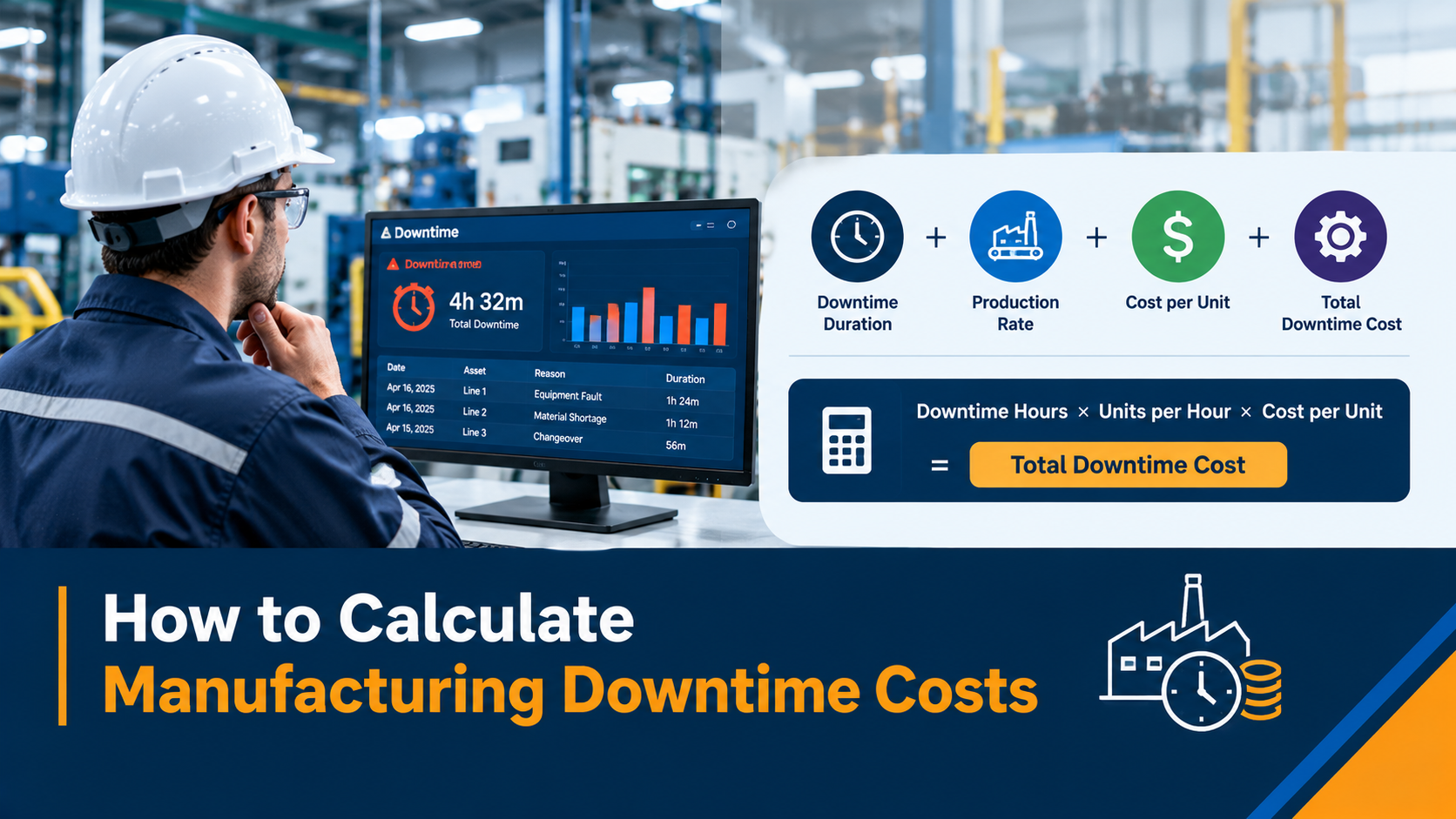
Industry 4.0 is the move toward connected, data-driven manufacturing using technologies such as industrial automation, SCADA, MES, IIoT, analytics, and AI.
For Connecticut manufacturers, preparing for Industry 4.0 does not mean replacing an entire plant or investing in every new technology at once. A practical approach is to connect existing equipment, improve data visibility, and gradually automate processes that can deliver measurable business value.
What Does an Industry 4.0-Ready Plant Look Like?
An Industry 4.0-ready manufacturing plant can collect information from equipment, connect systems, analyze production data, and use that information to make better operational decisions.
A typical architecture may connect:
Machines & Sensors → PLCs → SCADA → MES → ERP / Analytics
This creates a flow of information from the plant floor to production management and business systems.
1. Start With Your Existing Equipment
Before investing in new technology, understand what you already have.
A Connecticut manufacturing plant may have a combination of:
- Modern PLCs
- Legacy PLCs
- HMIs
- Standalone machines
- Sensors
- Existing SCADA systems
- Older control systems
Replacing everything is rarely necessary.
The first step should be identifying which equipment can already provide useful data and where additional connectivity is needed.
2. Connect Your PLCs and Machines
Industrial equipment is the foundation of an Industry 4.0 strategy.
Connecting PLCs, machines, and sensors allows manufacturers to collect information such as:
- Machine status
- Production counts
- Cycle times
- Alarms
- Process values
- Energy consumption
- Downtime
For plants with older equipment, PLC programming, controls upgrades, and industrial communication solutions may be required to bring equipment into a connected environment.
3. Implement Modern SCADA
A modern SCADA system can provide centralized visibility into plant-floor operations.
Instead of operators checking individual machines, SCADA can provide dashboards showing the status and performance of multiple pieces of equipment.
Modern SCADA can support:
- Real-time monitoring
- Alarm management
- Historical data
- Production dashboards
- Equipment trends
- Reporting
- Remote visibility
Ignition SCADA, for example, can provide a scalable platform for connecting industrial equipment and building manufacturing applications.
For Connecticut manufacturers beginning their Industry 4.0 journey, SCADA can be a practical foundation for collecting and visualizing plant data.
4. Start Collecting Reliable Manufacturing Data
Data is one of the most important components of Industry 4.0.
However, collecting large amounts of data does not automatically create value.
Manufacturers should focus on collecting information that can answer important questions:
- Why did the machine stop?
- How much did we produce?
- How long did production take?
- How much scrap was generated?
- Which machines are underperforming?
- Where are production bottlenecks occurring?
Reliable data creates a foundation for better production decisions.
5. Use MES to Connect Data With Production
Once reliable equipment data is available, manufacturers can consider an MES (Manufacturing Execution System).
MES can connect machine information with production activities such as:
- Production orders
- Scheduling
- OEE
- Quality
- Traceability
- Work-in-progress
- Downtime
- Production performance
This moves the plant beyond simply monitoring machines toward actively managing and improving manufacturing operations.
6. Connect Manufacturing Systems With ERP
ERP systems manage business functions such as purchasing, inventory, orders, and finance.
Connecting ERP with MES and plant-floor systems can create better visibility between business operations and manufacturing.
For example:
ERP: A customer order requires 5,000 units.
MES: Production is scheduled and tracked.
SCADA: Equipment and processes are monitored.
PLC: Machines execute the manufacturing process.
This creates a more connected manufacturing environment.
7. Improve Industrial Networking and Cybersecurity
As more machines and systems become connected, manufacturers also need to consider network architecture and cybersecurity.
An Industry 4.0 strategy should address:
- Industrial network design
- System access
- User permissions
- Remote access
- Network segmentation
- Backup and recovery
- Software updates
Connectivity should improve plant visibility without creating unnecessary security risks.
8. Add Analytics and AI After the Data Foundation Is Ready
AI and advanced analytics can provide valuable manufacturing insights, but they depend on reliable data.
Once a plant has connected equipment and established consistent data collection, manufacturers can explore applications such as:
- Predictive maintenance
- Production optimization
- Quality analysis
- Energy monitoring
- Downtime analysis
- Process optimization
- Production forecasting
This is why AI should generally be viewed as part of an Industry 4.0 roadmap, rather than the starting point.
9. Start Small and Scale
Industry 4.0 does not need to be a plant-wide project from day one.
A manufacturer could start with:
One machine → One production line → One department → Entire facility
For example, a plant could first connect a high-value production line, implement SCADA monitoring, measure downtime and OEE, and then use the results to determine whether the same approach should be expanded.
This reduces risk and allows the business to demonstrate measurable value before making larger investments.
Industry 4.0 Roadmap for Connecticut Manufacturers
A practical roadmap can look like this:
Step 1: Assess existing equipment and systems
Step 2: Identify the biggest production problems
Step 3: Connect PLCs and machines
Step 4: Implement or modernize SCADA
Step 5: Establish reliable production data collection
Step 6: Add MES where production management requires it
Step 7: Connect manufacturing systems with ERP
Step 8: Introduce analytics and AI
Step 9: Expand successful solutions across the plant
The right sequence will vary depending on the plant’s equipment, production processes, and business objectives.
How Pronto System Solutions Can Help
Pronto System Solutions provides industrial automation and integration services for manufacturers, including Ignition SCADA, MES, PLC programming, HMI, electrical design, and related automation solutions.
For Connecticut manufacturers preparing for Industry 4.0, Pronto can help connect plant-floor equipment, improve SCADA visibility, integrate manufacturing systems, and build a foundation for more advanced data and automation applications.
The objective is not simply to add technology. It is to create a connected manufacturing environment that helps employees see what is happening, understand why it is happening, and make better production decisions.
Frequently Asked Questions
What is Industry 4.0 in manufacturing?
Industry 4.0 refers to connected and data-driven manufacturing that uses technologies such as industrial automation, SCADA, MES, IIoT, analytics, and AI to improve production operations.
Does Industry 4.0 require replacing old machines?
No. Many manufacturers can begin by connecting existing equipment and modernizing the control, data, and software systems around it.
What role does SCADA play in Industry 4.0?
SCADA provides real-time monitoring, data collection, visualization, alarms, and historical information from industrial equipment and processes.
Is MES required for Industry 4.0?
Not every manufacturer needs MES immediately. MES becomes particularly valuable when manufacturers need better production scheduling, OEE, traceability, quality management, work-in-progress tracking, and production performance visibility.
How should a Connecticut manufacturer start an Industry 4.0 project?
Start by identifying a specific manufacturing problem, assessing existing equipment and data, and selecting a manageable project that can demonstrate measurable value before expanding across the plant.
Final Takeaway
Preparing a manufacturing plant for Industry 4.0 is a step-by-step process, not a single technology purchase.
Connect existing equipment, establish reliable data collection, implement SCADA, add MES where needed, integrate business systems, and then introduce analytics and AI as the plant’s data maturity increases.
For Connecticut manufacturers, a practical Industry 4.0 strategy can improve production visibility, equipment performance, downtime tracking, productivity, and automation without requiring an immediate replacement of the entire plant.